EU labels and the A–G scale
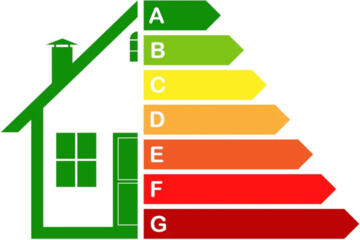
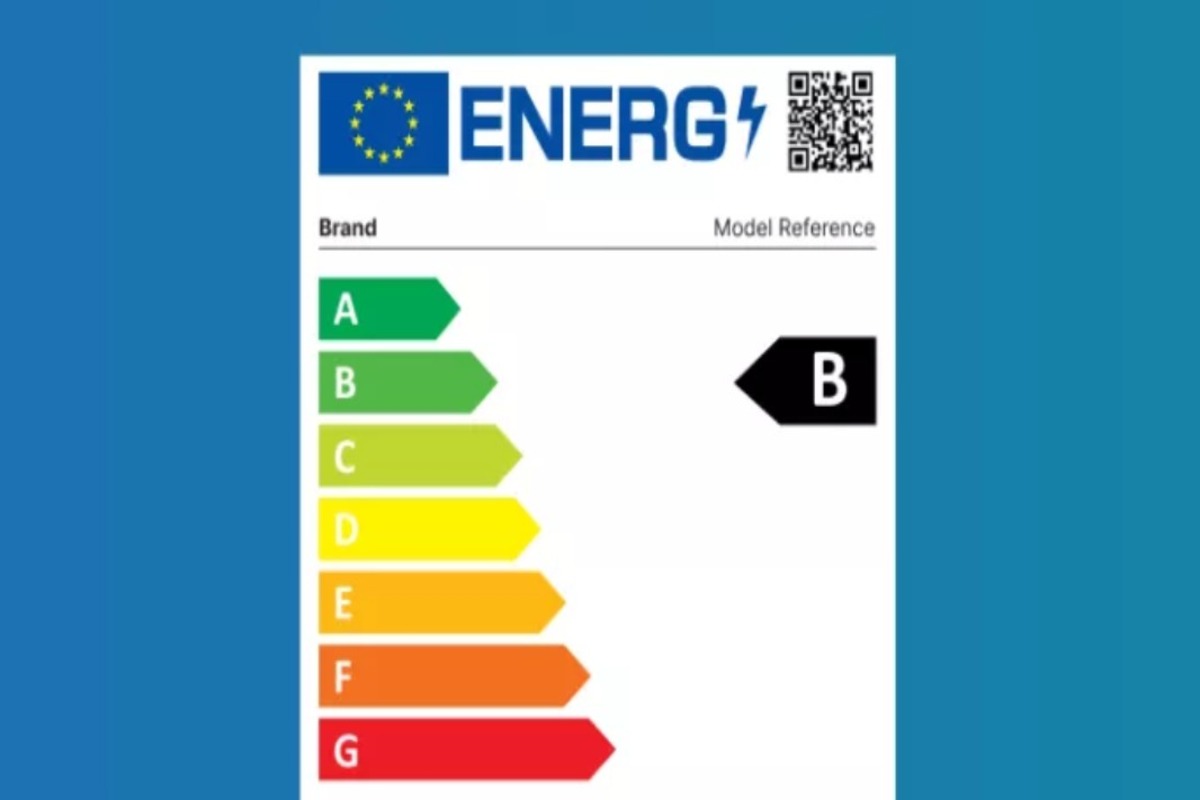
The EU energy label uses the A–G scale to summarize energy performance for specific product categories. The letter reflects measured energy use under standardized test conditions, not the product’s comfort level or brand reputation. For many categories, the label also includes an annual energy consumption figure in kWh, plus other category-specific data like noise or water use. In practice, shoppers often compare letters first, then check the kWh number to estimate running costs.
In 2026, the EU will apply a new label framework across more product groups, with updated scaling and rescaled classes. The exact rollout timing and which categories switch first depend on the specific implementing regulations, so readers should check the label’s product category and the year shown on the label. Energy labels are also part of a broader policy package: the EU has tightened efficiency requirements over time, and manufacturers respond by redesigning for lower energy use. That policy pressure affects what you see on shelves and what training content online focuses on.
Skip the letter-only habit. It hides the kWh math.
Two evidence-based points help interpret the A–G scale. First, energy labels rely on standardized test methods, so the label reflects test conditions rather than your home’s exact usage pattern. Second, the EU’s approach has historically shifted classes over time; when testing rules or class boundaries change, the same product category can move to different letters even if real-world performance changes less than shoppers expect. In other words, the label is a measurement system, not a universal “good/bad” score.
Also, the workforce and learning trends around energy efficiency are changing. More retailers and installers train on compliance, and more consumers search for “label reading” guides because online shopping reduces the chance to ask staff questions. That shift increases the risk of misreading the label when people rely on simplified summaries.
What people get wrong
Many buyers treat the A–G letter as a direct proxy for total cost of ownership, then ignore the annual kWh and the product’s actual duty cycle. That mistake matters because two appliances with the same letter can differ in total energy use due to size, capacity, or control modes. A second common error is mixing up energy efficiency with performance features like speed, drying intensity, or temperature range. Those features can increase energy use even when the label letter looks favorable.
Another failure point comes from data flow. The label data originates from standardized lab tests, then gets translated into a public label format and sometimes into retailer listings. If a listing shows a “headline” letter but omits the kWh value, the buyer loses the numeric anchor needed for cost comparisons. When people compare across categories, the A–G letters stop being comparable because each category has its own test method and energy metric.
Assume the label is not your bill. It predicts under test rules.
Real-world scenarios show how this plays out. A household dishwasher might run on an eco program that uses less energy, but a user who selects a high-temperature cycle repeatedly can spend more than the label suggests. A heat pump water heater can show strong efficiency on the label, yet its real energy use depends on ambient temperature and hot water draw patterns. In both cases, the label gives a baseline, while your usage determines the gap.
Finally, people sometimes misread the label’s “other information” area. Noise ratings, water consumption, or storage volume can influence comfort and total cost. If you only look at the letter, you can end up with a model that meets energy goals but fails on noise limits for an apartment, or on capacity for a family.
How to read the A–G grade
Start by locating the product category on the label. The A–G scale applies within that category’s measurement framework, so the letter only means something when you compare like with like. Then read the annual energy figure and the unit (usually kWh per year for electricity-based categories). If the label includes a range of operating modes, check which mode the test represents; many categories use a specific “standard” or “eco” test cycle.
Next, compare the label’s letter and the numeric value together. A one-letter difference can correspond to a meaningful kWh gap, but the size of that gap varies by category and by how the class boundaries are set. For example, if two models differ by 100 kWh/year, the cost difference depends on your electricity price and your usage frequency. The label does not include your tariff, so you must translate kWh into money using your local rate.
Skip the “A means always best” rule. It depends on your duty cycle.
For 2026 labels, the rescaling can change how letters map to energy use. That means you should not assume an older A-class product will map to the same letter under the new scheme. Look for the label’s category and any reference to the applicable regulation year, then compare within the same label generation when possible.
If you shop online, cross-check the retailer listing against the label image. Some listings show a letter but omit the annual kWh number, and some show the wrong category label for a related model. That mismatch happens when product variants share marketing pages but not identical test results.
Solutions and recommendations
Use the kWh number first
Read the annual energy figure before you decide based on the letter. The kWh number anchors your comparison to a measurable quantity, while the letter compresses that quantity into a class. In practice, write down the kWh/year for two models and compute the difference in kWh, then multiply by your electricity or gas price per kWh. If your tariff is 0.25 €/kWh and the models differ by 120 kWh/year, the annual difference is about 30 € before taxes and standing charges.
Skip the letter-only shortcut. It hides the kWh gap.
Compare within the same category
Limit comparisons to the same product category and the same label type. A dishwasher label does not translate to a washing machine label because each uses different test cycles and energy metrics. When you compare across categories, you can misjudge which product reduces energy most. In practice, build a shortlist per category, then compare letters and kWh within that shortlist.
Assume cross-category letters mislead. They measure different things.
Match the test cycle to your habits
Check which operating mode the label test represents, then compare it to how you actually run the product. If your household rarely uses the eco mode, the label’s energy advantage may not show up in your bill. For example, a washing machine may have a strong eco-cycle label but higher energy use on quick cycles. If you can change habits, the label becomes more predictive; if you cannot, treat the label as a best-case scenario.
Don’t trust eco-only claims. Your settings decide outcomes.
Account for capacity and size
Capacity affects energy use even when efficiency classes look similar. A larger refrigerator can have a better letter than a smaller one, yet still consume more kWh/year due to volume and insulation. In practice, compare kWh/year and capacity together, then estimate whether the larger capacity matches your storage needs. If you buy a bigger unit than you need, you pay for unused space.
Choose capacity you’ll use. Oversizing wastes energy.
Translate kWh into your tariff
Convert label energy into cost using your actual rate, not a generic average. Electricity prices vary by country and contract, and standing charges can change the cost difference between models. A practical approach: compute the annual energy cost difference from kWh/year, then add a small buffer for seasonal variation if the product’s usage changes across months. If you pay time-of-use rates, the label still won’t capture that schedule, so cost estimates remain approximate.
Use your bill math. Labels don’t know your tariff.
Check other label fields for trade-offs
Energy efficiency often trades against other performance dimensions like noise, water use, or drying effectiveness. If the label includes noise in dB(A), compare it to your living situation, such as open-plan apartments or night-time laundry. If the label includes water consumption, estimate whether water costs or scarcity matter for your area. In practice, you may accept a slightly worse letter if it prevents a daily annoyance that leads to higher energy use through repeated cycles.
Skip the single-metric decision. Trade-offs show up elsewhere.
Plan for 2026 label rescaling
When shopping during the transition, compare products using the same label generation when possible. If you see two labels with different class boundaries, the letters may not map the same way. In practice, prioritize the annual kWh number and the test-cycle description over the letter alone. If a retailer lists only the letter, request the kWh figure or check the label image closely.
Assume letters shift in 2026. Use kWh to compare.
Case examples
A renter in Berlin compares two refrigerators listed as A and B. The A model shows 110 kWh/year, while the B model shows 135 kWh/year. The renter uses 0.30 €/kWh and estimates a difference of 7.5 € per month in energy cost, then checks noise ratings because the kitchen is in the living area. The renter chooses the A model after confirming the freezer capacity matches their storage needs, not because the letter alone signals “better.”
A student in Dublin buys a heat pump tumble dryer. The label shows a better letter than a condenser dryer, but the student runs frequent high-heat cycles because they need fast drying. The student records cycle settings for 2 weeks, then compares the label’s test mode to their actual usage. The student keeps the heat pump model but changes habits to use lower-heat programs more often, reducing the gap between label prediction and the bill.
Comparison checklist
| Step | What to check | Why it matters | Decision rule |
|---|---|---|---|
| 1 | Product category on the label | A–G applies within category test methods | Compare only within the same category |
| 2 | Annual energy figure (kWh/year) | Numeric value predicts bill impact | Pick the lower kWh/year, then check trade-offs |
| 3 | Test mode description | Label assumes specific usage conditions | Choose a model whose test mode matches your habits |
| 4 | Other fields (noise, water, capacity) | Comfort and operating cost can shift | Reject models that fail your non-energy constraints |
| 5 | Label generation around 2026 | Rescaling can change letter meaning | Use kWh/year when letters come from different schemes |
Common mistakes
Assuming the letter equals cost savings
Why it happens: People see a single A–G grade and treat it like a universal score. Impact: They miss the kWh/year difference and overpay for features they do not use. How to avoid it: Compare kWh/year and convert using your tariff, then check whether your usage matches the label’s test mode.
Comparing across categories
Why it happens: Retail sites sometimes show labels side-by-side without clarifying category boundaries. Impact: A letter from one category can look “better” while measuring a different energy metric. How to avoid it: Keep comparisons within the same product category and test method.
Ignoring capacity and program choice
Why it happens: Shoppers focus on efficiency class and skip capacity and cycle settings. Impact: Real energy use rises when the household runs larger loads or higher-energy programs. How to avoid it: Match the label’s test cycle to your typical program selection, and check capacity against your load size.
Trusting incomplete retailer listings
Why it happens: Some listings show only the headline letter, and others reuse images across variants. Impact: You may buy a model with a different kWh/year than the one you evaluated. How to avoid it: Verify the label image for the exact model number and record the kWh/year from the label itself.
Forgetting the 2026 rescaling
Why it happens: People assume letters remain stable across label revisions. Impact: A “better” letter may not correspond to the same energy difference under the new scheme. How to avoid it: Use the annual kWh figure as the primary comparison when label generations differ.
FAQ
What does the A–G letter measure?
The A–G letter summarizes measured energy performance for a specific product category under standardized test conditions. The letter compresses the underlying energy metric into a class, so two models with the same letter can still differ in annual kWh. The label also depends on the category’s test method, which means letters do not transfer cleanly between different product types. For practical comparison, use the kWh/year figure and the test-cycle description, then check whether your typical settings match the test.
How do I compare two models with different letters?
Compare the annual energy figures first, then use the letter as a quick filter. If Model A uses 110 kWh/year and Model B uses 135 kWh/year, the difference is 25 kWh/year. Multiply that difference by your electricity or gas price per kWh to estimate the annual cost gap. If the label includes noise, water use, or capacity, verify those trade-offs too, because a slightly higher kWh model can still be the better fit for your constraints.
What changes in 2026 labels?
In 2026, the EU applies updated label rules and rescaled class boundaries across more product groups. Rescaling can change how letters map to energy use, so the same numeric performance might land in a different letter after the transition. The exact timing and which categories switch first depend on the implementing regulations for each product group. When shopping during the transition, rely more on the annual kWh figure and the label’s category-specific test description than on the letter alone.
Do energy labels predict my real bill?
Energy labels predict energy use under standardized test conditions, not your household’s exact behavior. Real bills depend on program choice, load size, ambient conditions, and how often you use high-energy modes. For example, running a washing machine on quick cycles repeatedly can raise energy use above the label’s estimate. A practical approach is to track your settings for 1–2 weeks, then compare your usage pattern to the label’s test mode.
Can I use the label to choose a healthier indoor environment?
Energy labels do not measure air quality, humidity, or allergen control directly. They can indirectly affect comfort if a product’s noise level changes how often you run it, or if a dehumidifier’s water handling affects indoor humidity management. For health-related decisions, you still need category-specific performance data tied to air or moisture, not just energy class. Use the energy label to reduce operating costs, then pair it with separate evidence-based criteria for indoor air or moisture control.
Author's Insight
The A–G letter works best as a sorting tool, not as a final decision. The annual kWh figure carries more decision weight because it connects to your tariff and your usage pattern. When label schemes change around 2026, the letter can shift even when the underlying measurement logic stays consistent. If a retailer listing omits the kWh number, treat that as friction you should resolve before buying.
Key takeaways
- Use kWh/year and the test mode first; treat the letter as a shortcut.
- Compare within the same product category, then check noise, water use, and capacity.
- Translate kWh into your tariff to estimate cost differences, not just “A vs B.”
- During the 2026 transition, rely on numeric kWh when label generations differ.
- Verify the exact model label image online; incomplete listings cause mismatches.