Popular Articles
 Travel
20.10.2026
EU261 Compensation: €250, €400 or €600?
EU261 compensation can help if your flight in the EU is delayed, cancelled, or you’re denied boarding—but only when certain rules are met. This guide breaks down when the standard payouts of €250, €400, or €600 apply, showing how flight distance, the length of the delay at arrival, and the reason for the disruption (including “extraordinary circumstances”) change your eligibility. Aimed at travelers and students, it explains what proof you should keep, how an airline’s rerouting or rebooking offer can affect the outcome, and what to document at the airport so you’re ready to file a strong claim later.
 Work
19.10.2026
Salary vs Total Compensation: A 3-Year Calculation
Salary shows your base pay, but total compensation includes benefits, employer contributions, and other pay elements that change your real cost-of-living picture. This article helps job seekers and learners compare offers using a 3-year calculation, including taxes, retirement match, and health coverage trade-offs. You’ll learn a repeatable method, common errors, and how to interpret results when benefits differ.
Latest Articles
 Home
18.10.2026
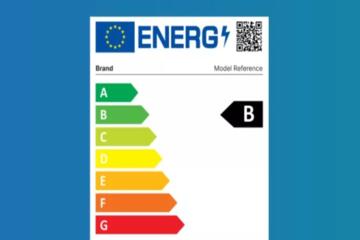
EU Energy Labels 2026: Reading the A–G Scale
EU energy labels for household products use an A–G scale to summarize energy performance. This matters for buyers, renters, and students comparing appliances and planning operating costs. You’ll learn how the A–G grades are calculated, what changes in 2026, and how to read the label without mixing up efficiency with features. The article also covers common mistakes and a practical checklist for comparing models.
 Money
17.10.2026
BNPL APR: Calculating the Real Cost
Buy Now, Pay Later can make a big purchase feel manageable by splitting it into smaller installments—but the real price tag isn’t always obvious. Depending on the plan, the advertised “APR,” promotional periods, and extra charges can change what you ultimately pay. This article walks shoppers and students through how to compare BNPL offers using the details that actually matter: APR (when it applies), repayment term length, late fees, and total repayment amount. You’ll also learn a simple way to estimate the true cost, recognize disclosures that can be confusing or misleading, and figure out when BNPL is a smart budget tool—and when it’s better to skip it.
 Buying
16.10.2026
Used Phone Battery Health: Which Numbers Matter?
Buying a used phone often means judging battery health from app readouts and service menus. This guide explains which battery numbers correlate with real-world battery life, charging behavior, and safety risks. You’ll learn how to interpret capacity, cycle counts, and “health” percentages, plus what to test before paying. It also covers common misreads and a practical checklist for sellers and buyers.
 Digital
15.10.2026
Smart Home Matter Devices: Compatibility Traps in 2026
Matter smart home devices use a shared control language, but compatibility still breaks in 2026 due to hub roles, network setup, firmware timing, and feature gaps. This guide helps health-conscious households and caregivers evaluate devices for reliability, privacy, and dependable automation. You’ll learn what “works with Matter” really means, where traps appear, how to test before buying, and how to plan for mixed ecosystems without losing control of lights, locks, sensors, and routines.
 Travel
14.10.2026
Flight Compensation: When EU261 Rules Actually Apply
EU261 can pay compensation for long flight delays and cancellations, but the rules depend on route, carrier, timing, and the cause of disruption. This guide explains when EU261 applies, which events trigger payment, and which exclusions commonly block claims. You’ll learn how to check eligibility, document evidence, and choose a practical next step after a delay—without relying on guesswork or vague “guarantees.”
 Work
13.10.2026
AI Hiring Tools: Where Resume Screening Can Go Wrong
AI resume screeners promise to speed up hiring, but they can also misunderstand resumes, reward the wrong signals, and quietly bake in bias—creating real headaches for both applicants and employers. This article is for job seekers who want to know what these tools look for, HR teams deciding whether to use them, and compliance-focused readers who need defensible processes. It breaks down the most common failure modes (keyword traps, formatting glitches, proxy discrimination, and “confidence” scores that don’t mean much), and explains what data quality, validation standards, and governance practices actually matter. You’ll learn practical ways to spot issues, run basic tests on screening results, and ask vendors the right questions. It also covers how to document hiring decisions and rejection workflows so that when an automated system filters someone out, you have a clear, auditable explanation rather than a black box.
 Home
12.10.2026
Renovation Permits: How to Check What You Actually Need
Renovation permits decide what you can change, who reviews it, and what inspections follow. This guide helps homeowners and renters plan renovations without guessing: how to identify the work type, check local permit rules, and avoid common missteps that trigger stop-work orders. You’ll learn practical steps, what documents to gather, how to interpret permit scopes, and how to verify whether your contractor’s plan matches your actual project.
 Money
11.10.2026
Buy Now, Pay Later: Credit Reporting Risks Explained
Buy Now, Pay Later (BNPL) lets you break a purchase into smaller, scheduled payments—and in some cases those accounts may show up on your credit reports. This guide explains how BNPL can influence your credit score, what information providers might report (and when they don’t), and the common places mistakes or reporting gaps occur. You’ll also get practical tips to verify what’s being reported, lower the risk of missed payments, and handle disputes if something looks wrong, including real-world examples and a simple decision checklist.
 Buying
10.10.2026
Dynamic Pricing: Why the Same Product Price Changes
Dynamic pricing explains why the same item can show different prices across time, devices, or locations. This article helps informed shoppers understand the mechanisms behind price changes, spot misleading patterns, and make better decisions. You’ll learn how demand, inventory, promotions, payment terms, and data signals affect checkout totals, plus practical steps to compare prices fairly and reduce surprises.
 Digital
09.10.2026
2FA Backup Codes: The Storage Mistakes That Matter
Two-factor authentication (2FA) backup codes act as an offline fallback when your phone, authenticator app, or SMS access fails. This guide explains how backup codes work, why storage mistakes lead to account lockouts, and how to store them safely across devices and paper. You’ll learn practical steps for choosing a storage method, testing recovery, and avoiding common errors, with realistic examples and a checklist for decision-making.
 Travel
08.10.2026
Rental Car Deposits: What Holds Can Cost You
Rental car deposits are pre-authorizations that tie up money on your card while the rental company checks for damage and charges. This guide explains how holds work, why the amount and timing vary, and how deposit policies interact with credit limits, debit cards, and insurance. You’ll learn practical steps to reduce surprises, interpret receipts, and plan for refunds, plus realistic scenarios and a checklist for safer budgeting.
 Work
07.10.2026
Salary Bands: What Job Ads Reveal About Pay
Salary bands in job postings are more than just numbers—they’re a window into how a company sets pay, controls hiring costs, and reduces risk. This guide shows job seekers how to interpret compensation ranges, recognize common signals (like wide bands or “DOE”), and avoid mistakes caused by differences in location, seniority, and benefits. You’ll also see how pay bands tie into job leveling, bonus and equity plans, and pay transparency laws, then learn practical ways to compare offers and negotiate with clear, realistic steps and supporting documentation.
 Home
06.10.2026
Lease Indexation Clauses: Costs to Check Before Signing
Lease indexation clauses change rent using a published index, so the monthly cost can rise even when your income stays flat. This guide helps renters and small landlords understand how indexation works, what documents to request, and how to estimate worst-case and likely increases. You’ll learn which clause wording to flag, how to model scenarios, and what questions to ask before signing a residential or commercial lease.
 Money
05.10.2026
How to Check a Financial Product's Fee Schedule
Fees are often what turn a “great rate” into an expensive loan, credit card, or bank account—and they’re not always easy to spot. Many fee schedules spread the real costs across several sections, footnotes, or separate PDFs, so it’s easy to miss add-on charges. In this guide, you’ll get clear, plain-English steps (with real examples) for reviewing a fee schedule, finding the fees that actually matter, comparing products side by side, and writing down what you discovered so you have proof before you agree to anything.
 Buying
04.10.2026
How to Compare Total Ownership Cost Before Buying
Total Ownership Cost (TOC) compares the full cost of owning a product, not just the purchase price. This guide helps informed consumers estimate fuel, maintenance, repairs, insurance, financing, taxes, downtime, and resale value using realistic assumptions. It explains common mistakes, shows how to build a simple spreadsheet, and walks through anonymized examples so you can compare options with fewer surprises. You’ll learn what to measure, how to sanity-check numbers, and when to revisit assumptions.