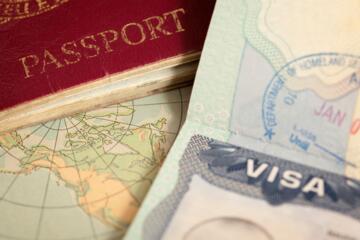
Pre-Trip Health And Paperwork
International travel planning mixes health continuity with legal identity checks. A passport that expires during travel can trigger entry denial, even when the trip is short. Many countries also require proof of onward travel or sufficient funds, which can be harder than it sounds when your card fails abroad. Health planning matters because prescriptions, vaccination records, and emergency access depend on documents you may not carry.
Start by listing the exact dates you will be outside your home country and the date your passport expires. Then check whether your destination requires a minimum remaining validity period, since rules vary by country and transit route. If you use a digital boarding pass, confirm you also have a paper backup for the leg where your phone battery or signal might fail.
For medical continuity, gather your medication list with generic names, dosages, and the prescribing clinician’s contact details. Many travelers forget that pharmacies abroad often ask for the generic name, not the brand name. If you carry controlled medicines, you may need a prescription letter and sometimes prior authorization, depending on the country.
Common Planning Mistakes
People often plan for flights and hotels while under-planning for the systems that make travel work: identity verification, payment authorization, and mobile connectivity. A passport photo that does not match your current appearance can slow down border processing, and some eGates reject mismatches. Payment failures abroad usually come from authorization rules, not “no service,” and they can happen even when your bank app shows your card is active.
Health planning gets skipped because it feels separate from travel logistics. Yet a missed prescription refill before departure can force last-minute pharmacy searches in a language you do not speak. Vaccination records also get forgotten until a clinic asks for documentation you left at home. If you rely on a wearable or health app, check whether it stores data offline and whether you can export it before leaving.
Connectivity planning is another frequent gap. Roaming charges can be unpredictable, and some carriers throttle data after a threshold. Offline maps help, but they require a download step while you still have Wi‑Fi. I once watched a traveler discover their offline map download failed because the phone was on “low data mode” during the download; the trip started with a blank map cache.
Solutions And Practical Checks
Documents With Real Validity
Verify passport validity against the destination’s entry rules and any transit requirements. If your passport renewal timeline is tight, start the process early and keep a copy of your application receipt. Carry a printed itinerary and the address of your first lodging, since border officers sometimes ask for a local contact point.
For medical items, bring a medication list and a prescription letter for any non-routine drugs. If you have a chronic condition, include your diagnosis in plain language and list allergies. A small aside: many clinicians format letters differently by country, so request one that includes generic drug names and dosage instructions.
Money Access And Backup Cards
Before departure, test your payment setup with a small offline check at home: confirm your bank app shows the card is active for international use and that your PIN works. Then plan a backup method that does not depend on one card. Many travelers pack only one payment card and one phone, then discover the ATM network in the destination does not support their card type.
Use a travel-friendly approach: bring at least two cards from different issuers and store them separately. Keep a note of customer service numbers in case your bank blocks transactions after unusual spending patterns. If you plan to withdraw cash, check whether your destination uses common ATM networks and whether your bank charges foreign transaction fees.
Connectivity Without Surprise Bills
Decide how you will get online while abroad: roaming, an eSIM, or a local SIM. Compare not only the headline price but also the data limits and whether calls and SMS work for verification codes. Download offline maps for your route and save key documents as PDFs in a cloud folder you can access without roaming.
For messaging and verification, confirm which services can work over Wi‑Fi. Some banking and travel apps require SMS for login, which fails if your SIM does not roam. A practical habit: test login to your main accounts on Wi‑Fi before you leave, then confirm you can receive codes on the same device.
Health Continuity Planning
Refill prescriptions early enough to cover delays from shipping or pharmacy processing. Bring more than the minimum needed for the first days, since customs checks or travel delays can shift your schedule. If you use medical devices, pack chargers and a spare battery where relevant.
For vaccinations and travel clinics, keep records in a single folder. If you have a vaccination certificate, verify whether it is accepted in your destination and whether it needs a specific format. If you have a condition that affects travel insurance, read the policy’s exclusions carefully and match them to your diagnosis wording.
Real Scenario Examples
Scenario 1: Prescription refill timing
A traveler with a chronic condition plans a refill for the week before departure, then the pharmacy delays the order by three days. The traveler arrives with only a few doses and spends the first two days searching for a pharmacy that can dispense the medication under its generic name. The fix was not “finding a pharmacy fast,” but having a prescription letter and generic drug list ready before travel, plus a small buffer supply.
Scenario 2: Payment card authorization failure
A traveler lands and tries to pay for a taxi using a single card. The transaction declines because the bank’s fraud system blocks purchases in a new country until the traveler confirms activity in the app. The traveler then uses a backup card stored separately and withdraws cash from an ATM. The lesson was that “card active” does not guarantee “authorized for that merchant category,” and the backup plan reduced stress during the first hour.
Checklist And Tradeoffs
| Decision Area | Option | Pros | Tradeoffs |
|---|---|---|---|
| Mobile data | Roaming | Same number for SMS codes | Costs can vary by carrier and plan; watch data thresholds |
| Mobile data | eSIM or local SIM | Often cheaper data; predictable limits | SMS verification may fail if your bank expects your home SIM |
| Money | Two cards from different issuers | Reduces single-point failure | Requires you to remember PINs and keep cards separate |
| Health | Medication list + letter | Helps pharmacies and border questions | Letters must match generic names and dosages; format varies |
Step-by-step pre-departure checklist (use 7–10 days before travel):
- Confirm passport validity meets entry rules for destination and transit.
- Refill prescriptions and pack a buffer supply for the first days.
- Write down generic medication names, dosages, and allergies in one document.
- Verify your bank cards are active for international use and that you know both PINs.
- Download offline maps and save key documents as PDFs on your device and in cloud storage.
- Test account logins on Wi‑Fi so you know which services require SMS codes.
- Pack a small cash reserve for the first day in case ATMs are slow.
Common Mistakes To Avoid
One frequent mistake is relying on a single “travel mode” setting. Phones have multiple toggles—data saver, roaming, background app limits—and they can block downloads you expect to work. If you use an offline map app, confirm the map region is downloaded after you turn off data saver.
Another mistake is storing all documents in one place. A lost phone can take your boarding pass, medication list, and contact numbers with it. Keep printed copies of key items and store digital copies in at least two locations.
People also underestimate how border and airline staff interpret paperwork. A printed hotel reservation without an address can slow processing, and a medication label that lacks generic names can confuse a pharmacy. If you carry a device with medical data, pack the charger and a way to access the data offline, since some systems do not sync without internet.
Finally, travelers sometimes assume travel insurance covers pre-existing conditions automatically. Policies often define “pre-existing” using look-back periods and require documentation. Read the exclusions and match them to your situation, then ask the insurer for written clarification if wording conflicts with your diagnosis.
FAQ
How early should I renew a passport?
Start as soon as you can once you know your travel dates. Many countries require a minimum remaining validity period, and processing times vary by country and season, so aim to renew well before departure rather than during the last week.
Do I need a doctor letter for medication?
For routine prescription drugs, a medication list may be enough, but a doctor letter helps when customs or pharmacies ask questions. Controlled or regulated medicines often require extra documentation, and the destination’s rules determine the exact requirement.
What should I do if my card declines abroad?
Use your bank app or call the bank to confirm international transactions, then try a different card. If both cards fail, withdraw cash from an ATM using a different card type or switch to a backup payment method you planned before travel.
Will roaming work for SMS verification?
Roaming often supports SMS, but it depends on your carrier plan and destination. Test login and code delivery on Wi‑Fi before you leave, then confirm which accounts rely on SMS versus authenticator apps.
How do I pack health records for travel?
Bring a single folder with generic medication names, dosages, allergies, and relevant diagnosis notes. Keep copies in print and as PDFs, and carry the folder in your cabin bag so it stays with you during delays.
Author's Insight
International travel planning fails most often at the interfaces between systems: identity checks, payment authorization, and mobile verification. Those interfaces depend on rules outside your control, such as destination entry validity requirements and bank fraud models. A practical approach focuses on redundancy—two cards, offline maps, printed documents, and a medication list with generic names. I cannot verify personal clinical experience, so this guidance reflects common operational patterns and widely used documentation practices rather than anecdotal “miracle fixes.”
Key Takeaways
- Check passport validity against destination and transit rules, not just your departure date.
- Carry medication documentation with generic names and dosages, plus a doctor letter when your situation is regulated.
- Plan money access with at least two cards and a small cash reserve for the first day.
- Prepare connectivity for SMS verification and offline navigation before you leave home.
- Store documents in more than one place and read insurance exclusions for pre-existing conditions.