Topic Introduction
Packing habits cover more than suitcase organization. They include how you portion food for work, how you store pantry items, how you pack medications and documents for travel, and how you stage “ready-to-go” supplies at home. When these habits fail, the costs show up as duplicate purchases, last-minute delivery fees, expired food, and time pressure that raises stress. The health angle is practical: stress worsens sleep quality, and poor planning increases decision fatigue during the day. A lunch that turns into a scramble at 12:10 p.m. can cost more than the sandwich itself.
Common examples include buying snacks “just in case,” packing too much variety so items go stale, and using storage containers that hide food until it expires. Another pattern is packing without a repeatable system, so each week becomes a new experiment. I’ve seen people use a notes app for lists and then lose the list when they switch phones; the habit breaks, and the spending follows.
Main Problems Or Pain Points
People often treat packing as a one-time task instead of a loop: plan, pack, use, restock, and review. When the loop breaks, you buy again rather than restock. That’s how “small” habits become recurring costs.
One dependency is inventory visibility. If you store items in opaque containers or in the back of a cabinet, you stop tracking what you already own. Another dependency is portioning accuracy. If you pack based on guesswork, you either run out early or end up with leftovers that get pushed aside. A third dependency is timing: packing the night before travel works better than packing at 6:30 a.m. when you’re already late, and it reduces the chance of forgetting chargers or paperwork.
Sanity drains from friction. A bag that’s too heavy, a lunch box that leaks, or a travel kit with no “home” for each item creates repeated micro-decisions. Those decisions add up, and the brain starts treating packing as a threat rather than a routine. The wallet takes the hit through convenience purchases, replacement items, and waste.
Some habits also create hidden costs through compliance and safety. For example, food storage temperature matters for leftovers, and medication packing errors can lead to missed doses. If you pack cold items without an ice source, you risk spoilage and then replace food later. If you pack medications without a clear schedule, you may end up buying an extra refill because you ran out early.
Solutions And Advice
Build A Repeatable Checklist
Create two checklists: one for daily packing and one for travel. Keep them in a single place and version them when you change the contents. A simple method is to write a “base list” that rarely changes and a “variable list” that updates weekly. For travel, separate documents, personal items, and cold-chain items. I prefer a checklist that fits on one screen; in practice, people skip long lists because they feel like homework.
Use a trigger to reduce forgetfulness. For example, tie the daily packing step to a fixed event like placing keys in the same spot. For travel, tie packing to a calendar reminder set 48–72 hours before departure. If you pack at the last minute, you’ll keep paying the “rush tax” in time and money.
Portion With Realistic Targets
Portioning reduces both waste and emergency buys. Start by tracking what you actually eat for 3–7 days, then adjust portions. If your lunch usually leaves you hungry, increase the portion of protein or fiber rather than adding random snacks. If your lunch often goes untouched, reduce variety and pack fewer items that you can finish.
For leftovers, use a simple rule: pack in containers sized to the portion you’ll finish within a safe window. In many households, that means smaller containers rather than one large tub. People often buy bigger containers because they look efficient, then food sits longer and gets discarded. If you’re using a fridge, keep it at a safe temperature; if you don’t know the temperature, buy a cheap fridge thermometer and check once. A stable fridge temperature reduces spoilage and the “replacement cycle.”
Use Storage That Shows What’s Inside
Visibility beats mystery. Choose clear containers for dry goods and label them with purchase or prep dates. For snacks, use a “front-load” method: keep the newest items behind the older ones so you rotate naturally. This reduces expired items without requiring constant attention.
For meal prep, keep sauces and dressings separate until assembly. That prevents sogginess and makes leftovers more likely to be eaten. I once watched a household switch from mixed containers to separate components and the waste dropped noticeably within a month, mostly because the food stayed appealing.
Plan Restock Before You Run Out
Restock planning prevents the most expensive pattern: buying convenience items when you’re already busy. Use a weekly “inventory glance” rather than a daily scramble. Check the items that trigger replacement purchases: coffee filters, lunch staples, trash bags, and any cold-chain supplies like ice packs.
Set a small reorder threshold. For example, if you have fewer than 3 days of lunch components left, schedule a grocery run. If you rely on delivery, set a minimum order size that matches your budget; otherwise, small emergency orders become a habit. Some people use a shopping list app; if you do, export or back up the list so a device change doesn’t erase it. I’ve seen lists vanish after app updates (version 3.2.1, for one person), and the result was duplicate purchases.
Case Examples
Lunch Packing With Waste
Scenario: A commuter packs lunch five days a week. They buy a “variety pack” of snacks every Monday, then pack three different items each day. By Thursday, two snack types are stale and get thrown out. They also buy a replacement snack on the way home twice per week.
Change: They switch to two snack types that match their hunger pattern and pack only one snack per day. They store snacks in clear containers and label them with the week’s start date. They also portion leftovers into two sizes: one for a full lunch and one for a smaller meal.
Outcome: Waste drops because the snacks are visible and portioned. The wallet improves because they stop replacing items midweek. Stress improves because lunch assembly becomes faster and less chaotic.
Travel Kit That Gets Rebuilt
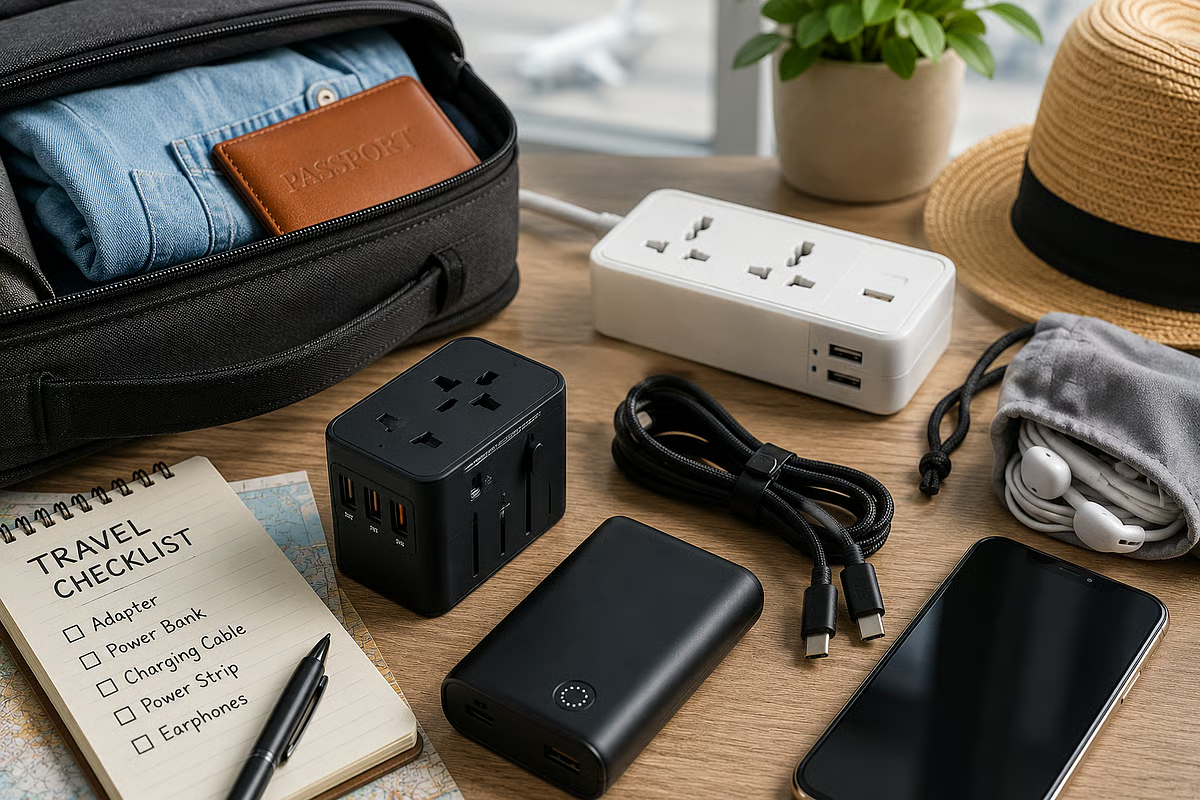
Scenario: A frequent traveler repacks a bag for each trip. They keep chargers in different drawers and documents in a folder that sometimes moves. On travel days, they spend 20–40 minutes searching, then buy an extra cable at the airport when they find nothing.
Change: They create a single “travel pouch” with a fixed layout: one pocket for cables, one for adapters, one for toiletries, and one for documents. They keep the pouch in the same drawer and update the checklist 24 hours before departure. They also keep a small label on the pouch with the last date it was packed.
Outcome: Search time drops because items have a home. Airport replacement purchases decrease because the checklist catches missing items before leaving.
Comparison Table Or Checklist
Use this decision support to choose a packing habit change that matches your problem. Pick one row to start, then measure for two weeks.
| Problem Pattern | Likely Cause | Packing Change To Try | Two-Week Metric |
|---|---|---|---|
| Expired food | Low visibility and weak rotation | Clear containers + date labels + front-load rotation | Count discarded items and estimate cost |
| Emergency buys | Restock happens after you run out | Weekly inventory glance + reorder threshold | Number of convenience purchases |
| Late travel days | No fixed “home” for items | Travel pouch + 48–72 hour checklist reminder | Minutes spent searching for items |
| Leaky lunches | Container choice and assembly order | Separate wet components + test seals once | Number of leaks and cleanup time |
Common Mistakes
People often add more items instead of fixing the system. A bigger lunch box with extra snacks looks like preparation, but it increases the chance that something goes stale. Another mistake is changing the packing method every week. When you vary containers, portions, and bag placement, you lose the habit’s memory.
Some people rely on “mental inventory” and then forget that the fridge and pantry change without them. If you don’t check what’s left, you end up packing around what you wish you had. That pattern also encourages buying duplicates because the missing item feels like a surprise.
Another frequent error is ignoring storage conditions. Food safety depends on temperature control, and cold items need cold-chain support during transport. If you pack dairy or cooked meals without an ice pack, you risk spoilage and then replace food later. Medication packing also needs clarity: mixing pills in unlabeled containers increases the chance of dosing errors.
Finally, people sometimes treat packing as a moral test. They judge themselves for forgetting chargers or wasting food, then avoid tracking. A better approach is to log the failure once, adjust the checklist, and move on. That turns frustration into data, and data leads to fewer repeat mistakes.
FAQ
How Do I Stop Buying Duplicate Pantry Items?
Do a weekly inventory glance and keep a short list of “low-stock triggers” like coffee filters, spices you use daily, and lunch staples. Update the list when you open a new package, not when you run out.
What Container Features Reduce Lunch Waste?
Use clear containers for dry items, leak-resistant lids for wet foods, and portion sizes that match how much you finish. Separate sauces and dressings until assembly to keep food appealing longer.
How Can I Pack Cold Food Without Overcomplicating It?
Use an insulated bag plus an ice pack sized for your container count. Pack cold items together, keep them toward the bottom of the bag, and avoid leaving the bag in a hot car.
What Should I Include In A Travel Packing Checklist?
Separate documents, chargers, toiletries, and cold-chain items. Add a “last check” reminder 24–48 hours before departure so you don’t rebuild the kit on travel morning.
How Do I Measure Whether My Packing Habit Saves Money?
Track two numbers for 14 days: convenience purchases triggered by running out, and discarded food items. Assign a rough cost to each discard and compare totals before and after the change.
Author's Insight
Packing habits act like a small logistics system: they depend on inventory visibility, timing, and repeatable routines. When those dependencies fail, people compensate with convenience purchases and last-minute replacements, which increases both spending and stress. Evidence-based behavior change usually starts with measurement you can do quickly, like counting discards and tracking search time. If you want a health angle, focus on food safety basics and consistent medication organization, since errors there create real risks. The most reliable improvements come from one change at a time, tested for about two weeks.
Key Takeaways
- Turn packing into a loop: plan, pack, use, restock, review.
- Improve visibility with clear containers and date labels to reduce expired food.
- Portion based on what you actually finish, not on what looks good.
- Use a fixed travel pouch and a checklist reminder 48–72 hours before departure.
- Measure for two weeks using simple counts: convenience buys, discards, and search minutes.