Popular Articles
 Home
18.10.2026
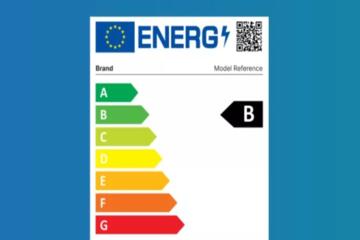
EU Energy Labels 2026: Reading the A–G Scale
EU energy labels for household products use an A–G scale to summarize energy performance. This matters for buyers, renters, and students comparing appliances and planning operating costs. You’ll learn how the A–G grades are calculated, what changes in 2026, and how to read the label without mixing up efficiency with features. The article also covers common mistakes and a practical checklist for comparing models.
 Home
12.10.2026
Renovation Permits: How to Check What You Actually Need
Renovation permits decide what you can change, who reviews it, and what inspections follow. This guide helps homeowners and renters plan renovations without guessing: how to identify the work type, check local permit rules, and avoid common missteps that trigger stop-work orders. You’ll learn practical steps, what documents to gather, how to interpret permit scopes, and how to verify whether your contractor’s plan matches your actual project.
 Home
06.10.2026
Lease Indexation Clauses: Costs to Check Before Signing
Lease indexation clauses change rent using a published index, so the monthly cost can rise even when your income stays flat. This guide helps renters and small landlords understand how indexation works, what documents to request, and how to estimate worst-case and likely increases. You’ll learn which clause wording to flag, how to model scenarios, and what questions to ask before signing a residential or commercial lease.
 Home
30.09.2026
Smart Meter Data: What Homeowners Should Check
Smart meters record electricity or gas usage in fine time intervals and send that data to utilities. This guide helps homeowners interpret what the readings mean, spot billing or reporting problems, and understand privacy and access options. You’ll learn which fields to review, how to compare interval data to bills, what anomalies look like, and when to contact your utility or request a data audit.
 Home
24.09.2026
Home Insurance Inventory: Valuation Mistakes to Avoid
Home insurance inventory helps you document belongings for claims, but valuation errors can shrink payouts or trigger disputes. This guide explains common mistakes when listing items, estimating replacement cost, and handling depreciation, receipts, and special categories like jewelry, electronics, and collectibles. It’s for homeowners and renters who want a practical, evidence-based inventory process. You’ll learn how insurers typically evaluate inventories, what numbers to record, and how to review your inventory before renewal.
 Home
18.09.2026
Heat Pump Quotes: Specs Buyers Commonly Misread
Heat pump quotes can look comparable while hiding key differences in sizing, efficiency ratings, and installation details. This article explains the specs buyers misread—like capacity at specific temperatures, COP/HSPF/SEER conversions, airflow and duct assumptions, and electrical or permit scope. Homeowners and small business buyers will learn how to compare quotes using a short checklist, spot red flags, and ask for the missing numbers before signing.
 Home
12.09.2026
Appliance Energy Labels: Which Numbers Actually Matter
Energy labels on appliances promise savings, but many shoppers focus on the wrong figures. This guide explains how label numbers are defined, which ones predict real electricity use, and which ones mostly reflect test conditions. It’s for households comparing refrigerators, dishwashers, washing machines, and dryers in stores or online. You’ll learn how to read kWh per year, cycle-based ratings, capacity, efficiency classes, and the limits of lab tests so you can estimate costs more reliably.
 Home
06.09.2026
Renovation Quotes: Which Costs Are Often Excluded?
Renovation quotes can look precise while hiding costs that appear later. This guide helps homeowners and renters understand common exclusions in contractor estimates, from demolition and permits to waste disposal, electrical changes, and contingency. You’ll learn how to read line items, ask targeted questions, and compare bids using a consistent checklist. The article also covers realistic ranges, two anonymized scenarios, and a short FAQ for practical decision-making before work starts.
 Home
31.08.2026
Contractor Quotes: How to Compare Apples With Apples
Contractor quotes can look similar while hiding different scopes, materials, and timelines. This guide helps homeowners and small businesses compare bids in a consistent way, spot missing line items, and reduce change-order surprises. You’ll learn how to standardize specs, interpret allowances and exclusions, verify permits and insurance, and document decisions. The article focuses on practical comparison steps, realistic outcomes, and common quote traps.
 Home
25.08.2026
How to Check Moisture Risk Before Renting a Home
Moisture problems in rental homes can worsen allergies, trigger mold growth, and damage building materials. This guide helps renters and families check moisture risk before signing a lease by using visible clues, basic measurements, and smart questions for landlords. You’ll learn what to look for in basements, bathrooms, and windows, how to interpret humidity and musty odors, and what documentation to request if risk appears. Practical case examples show how checks change decisions.