Popular Articles
 Money
17.10.2026
BNPL APR: Calculating the Real Cost
Buy Now, Pay Later can make a big purchase feel manageable by splitting it into smaller installments—but the real price tag isn’t always obvious. Depending on the plan, the advertised “APR,” promotional periods, and extra charges can change what you ultimately pay. This article walks shoppers and students through how to compare BNPL offers using the details that actually matter: APR (when it applies), repayment term length, late fees, and total repayment amount. You’ll also learn a simple way to estimate the true cost, recognize disclosures that can be confusing or misleading, and figure out when BNPL is a smart budget tool—and when it’s better to skip it.
 Money
11.10.2026
Buy Now, Pay Later: Credit Reporting Risks Explained
Buy Now, Pay Later (BNPL) lets you break a purchase into smaller, scheduled payments—and in some cases those accounts may show up on your credit reports. This guide explains how BNPL can influence your credit score, what information providers might report (and when they don’t), and the common places mistakes or reporting gaps occur. You’ll also get practical tips to verify what’s being reported, lower the risk of missed payments, and handle disputes if something looks wrong, including real-world examples and a simple decision checklist.
 Money
05.10.2026
How to Check a Financial Product's Fee Schedule
Fees are often what turn a “great rate” into an expensive loan, credit card, or bank account—and they’re not always easy to spot. Many fee schedules spread the real costs across several sections, footnotes, or separate PDFs, so it’s easy to miss add-on charges. In this guide, you’ll get clear, plain-English steps (with real examples) for reviewing a fee schedule, finding the fees that actually matter, comparing products side by side, and writing down what you discovered so you have proof before you agree to anything.
 Money
29.09.2026
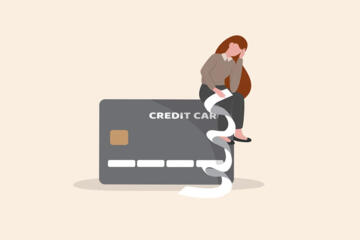
Credit Card Minimum Payments: The Math Behind Them
Credit card minimum payments affect how fast you pay down debt and how much interest you pay. This article explains the mechanics behind minimum-payment calculations, why the “minimum” can extend payoff timelines, and how to estimate outcomes using your statement numbers. It’s for readers who want to make practical payment plans, compare strategies, and avoid common mistakes when managing revolving credit.
 Money
23.09.2026
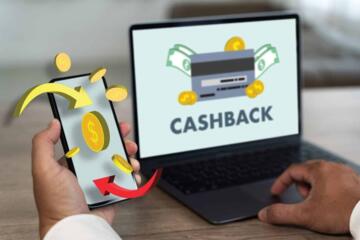
Cash-Back Limits: Where Rewards Programs Go Wrong
Cash-back rewards can look simple, then fail at the edges: caps, category exclusions, timing rules, and “eligible purchase” definitions. This article explains how cash-back limits work across common rewards structures, what to check before you swipe or click, and how to estimate your real return. It’s for consumers who want to compare offers, avoid surprise clawbacks, and track rewards accurately using statements and program terms.
 Money
17.09.2026
Recurring Charges: How Small Fees Become Large Costs
Recurring charges are small monthly or annual fees that keep renewing until you notice them. This article helps informed consumers spot subscription traps, bank or card add-ons, and “free trial” conversions that quietly raise spending. You’ll learn how these charges work, which records to check, how to estimate total annual cost, and what steps reduce risk without breaking services you still need. Practical examples show how to audit statements and cancel correctly.
 Money
11.09.2026
How Card Authorization Holds Affect Your Balance
Card authorization holds can temporarily reduce your available balance after a purchase, even when the final charge posts later. This guide explains how holds work, why they appear on debit and credit cards, and what timing differences mean for budgeting. You’ll learn how to distinguish holds from posted transactions, how long they typically last, and what steps to take when the numbers don’t match your receipt or app.
 Money
05.09.2026
Dynamic Currency Conversion: When to Decline It
Dynamic Currency Conversion (DCC) changes your card purchase price into your home currency at the point of sale. This matters for travelers and anyone paying abroad because the conversion rate and fees can differ from your card network’s rate. This guide explains how DCC works, where the costs hide, and when declining helps. You’ll learn practical steps to spot DCC prompts, compare outcomes, and handle receipts and disputes.
 Money
30.08.2026
Currency Conversion Fees Hidden in Card Payments
Card payments can include currency conversion fees that appear after the purchase, even when the merchant shows a local price. This guide explains how card networks and banks convert currencies, where extra costs come from, and how to spot them on statements. It is for shoppers who pay abroad or online in another currency and want predictable totals. You will learn practical checks, comparison points, and steps to reduce surprise fees.
 Money
24.08.2026
How to Check a Loan's APR Beyond the Headline Rate
Learn how to verify a loan’s APR when the lender highlights a headline rate. This guide helps borrowers interpret APR, compare offers using the same assumptions, and spot common add-ons that change the true cost. You’ll learn what documents to read, which numbers to extract, how to run a quick payment check, and how to handle fees, compounding, and promotional terms. Written for informed consumers comparing personal loans, auto loans, and credit products.