Rental Energy Labels Explained
Rental energy labels are standardized scores and bands that describe a property’s expected energy performance. In many countries, the label is based on building characteristics such as insulation levels, window type, heating system efficiency, and sometimes ventilation design. The rating aims to make properties comparable, even when actual occupant behavior differs. For renters, the label can hint at likely heating and cooling demand, draftiness risk, and how much the home depends on fuel prices. For landlords, it can also affect compliance obligations and marketing claims, depending on local rules.
In practice, the label rarely matches your first month of utility bills. A label uses assumptions about occupancy, thermostat settings, hot-water use, and weather years. If you work from home, run showers longer, or keep windows open for ventilation, your consumption can diverge from the modeled baseline. I’ve seen listings where the label looks “good,” yet the unit still feels cold because the heating distribution is uneven—radiators on one wall, no insulation behind them, and a thermostat placed where it reads warmer air.
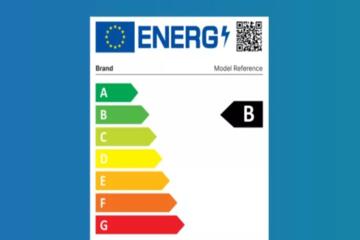
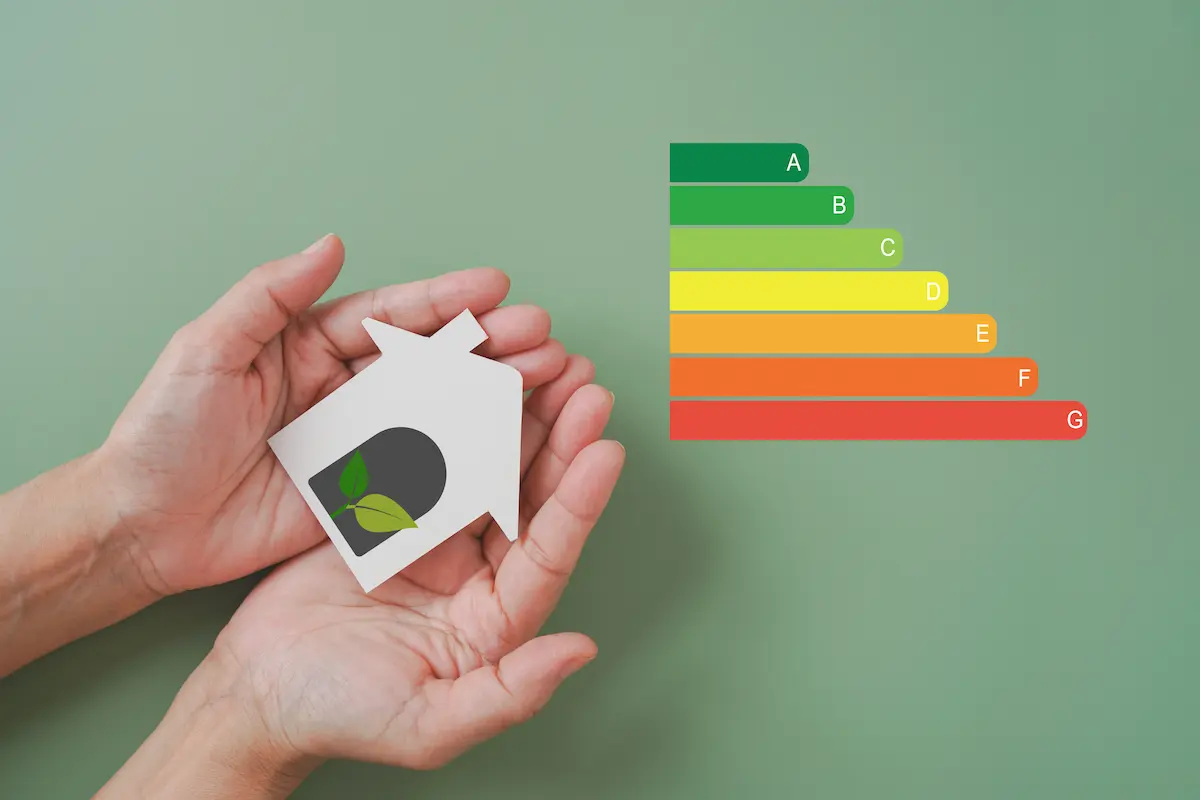
To interpret the rating, you need to know which standard it follows and what the score represents. Some systems use a letter band (for example, A to G), while others use a numeric index. The label may also include recommended improvements and a validity period. If the label is older than the building’s current heating system, the rating can become a poor proxy for current performance.
What People Misread
Many renters treat the label as a direct prediction of their bill. The label models energy use under standardized conditions, so it cannot capture your habits, appliance choices, or how the landlord maintains systems. A property with efficient boilers can still waste heat if controls are misconfigured or if radiators have trapped air. Conversely, a home with a mediocre label can feel comfortable if it has good zoning, consistent maintenance, and occupants who use heating moderately.
Another common mistake is ignoring the label’s boundaries. Some labels focus on space heating and hot water, while others include cooling and lighting assumptions. If the label omits cooling, a “high” rating may not protect you from summer electricity costs in a top-floor unit with solar gain. The label also depends on input data quality: if the assessor estimates insulation thickness or window performance from limited access, the result carries uncertainty. That uncertainty matters when you compare two close ratings, because small modeling differences can shift the band.
Rental listings also create a dependency chain that affects what you see. The label depends on the building’s physical survey, the heating and hot-water equipment specifications, and the calculation method used by the assessor. If the property has been renovated after the label date—new windows, a heat pump swap, or attic insulation—the label may no longer reflect reality. In one anonymized scenario, a flat’s label stayed the same after a landlord replaced a gas boiler, and the tenant’s winter bills dropped by roughly a third; the label had not been updated, so the improvement looked “unexplained” in the listing.
How To Use The Rating
Check Validity And Scope
Start by checking the label’s validity period and the date it was issued. Many jurisdictions require a new label after a set number of years or after major changes, but the exact rules vary. If the label is older than a heating-system replacement, treat the rating as a historical snapshot. Also read the scope: does the label cover space heating only, or does it include hot water and cooling assumptions? If the listing shows a band without any notes, ask the landlord for the full label document or the calculation summary.
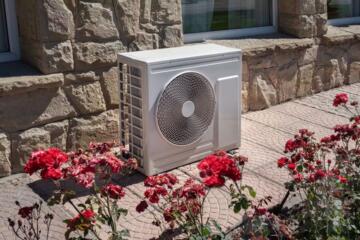
Practical method: compare the label’s heating fuel type and system description to what you can observe. Look for boiler type, heat pump outdoor units, radiators versus underfloor heating, and whether hot water is produced by the same system. If you see a mismatch—label says “central gas boiler,” but the unit uses electric immersion heaters—your comparison becomes unreliable.
Cross-Check With Bill History
Use the label as a starting point, then cross-check with actual utility history when possible. If the landlord can share prior bills for the same unit, compare seasonal patterns rather than one-off months. A label might predict lower annual demand, but your real cost depends on tariff structure, meter type, and whether the heating is included in rent. In some rentals, heating and hot water are bundled into service charges, so the tenant’s bill may not reflect energy performance directly.
When you request history, ask for at least two heating seasons. Weather variation can swing consumption, and a single winter can mislead you. If you can’t get bills, ask for maintenance records for the heating system and for evidence of insulation upgrades. A well-maintained system can reduce losses and improve control behavior, which the label may not capture.
Inspect Building Details That Drive Scores
Energy labels respond strongly to envelope and controls. Window type, air leakage, and insulation behind radiators can shift the modeled heat loss. Heating distribution matters too: a label might assume efficient heat transfer, while a real system can have poor balancing. Look for signs of drafts around window frames, missing seals, and uneven radiator temperatures. If the unit has mechanical ventilation, check whether it runs and whether filters are maintained; ventilation affects both comfort and heat loss.
Personal aside: I once reviewed a label that looked “mid-range,” then found that the assessor assumed standard wall insulation, but the building had a cavity wall retrofit only on some floors. The tenant’s experience matched the mismatch—cold spots near external corners, even when the thermostat was set the same. That kind of discrepancy often comes from partial renovations.
Use Improvements Lists With Realistic Costs
Many labels include recommended measures such as loft insulation, wall insulation, window upgrades, or heating-system changes. Treat these as modeled options, not guaranteed savings. The label’s improvement section typically uses standard costs and standard performance assumptions, which may not match your landlord’s budget, access constraints, or local contractor pricing. Ask for the landlord’s planned works and whether they match the label’s assumptions.
For renters, the most actionable measures often involve behavior and minor adjustments: radiator bleeding, thermostat placement, draft sealing, and using hot-water efficiently. Those actions can reduce waste even when major upgrades are landlord-controlled. If the label suggests a heating upgrade, ask who pays and whether the work will change your rent or service charges.
Case Examples From Real Listings
Example 1: Two flats with close bands—A tenant compares Flat A (Band C) and Flat B (Band D). Both labels are issued within the last three years, but Flat A uses a shared boiler with radiators, while Flat B has a newer heat pump. The tenant requests bill history and finds that Flat A’s winter bills are higher despite the better band, because the radiators in Flat A are unbalanced and the tenant reports cold corners. Flat B’s bills are lower, but summer electricity is higher due to cooling assumptions not reflected in the label. The tenant chooses Flat B after confirming the heat pump’s maintenance schedule and the presence of room-level controls.
Example 2: Renovation after the label—A renter views a house with an older label showing a gas boiler and limited insulation. The landlord states that attic insulation was added last year and replaces the boiler with a condensing unit. The label document remains unchanged in the listing. The renter asks for evidence of the work (invoice or contractor report) and compares the label’s heating fuel description to the current system. The renter also negotiates a short trial period and checks comfort during the first cold weeks, because the label’s band no longer matches the building’s current configuration.
Label Comparison Checklist
| What You See | What It Usually Means | What It Does Not Tell You | How To Verify |
|---|---|---|---|
| Energy Band/Score | Modeled annual energy performance under standard assumptions | Your exact bill, tariff effects, and occupant behavior | Request bill history for the same unit and season |
| Heating System Type | Fuel and efficiency assumptions used in the model | Whether the system is maintained and correctly controlled | Ask for maintenance records and check controls |
| Recommended Measures | Modeled improvement options and typical savings assumptions | Actual contractor pricing, access limits, and landlord decisions | Ask what will be done and when; request quotes if possible |
| Label Issue Date | When the model inputs were last captured | Renovations after the label date | Compare label inputs to current equipment and visible upgrades |
Step-by-step checklist: (1) Read the issue date and scope. (2) Match the label’s heating and hot-water description to what you see. (3) Ask for two heating-season bills or service-charge statements. (4) Inspect windows, drafts, and radiator behavior during a viewing. (5) Treat improvement recommendations as proposals, then ask who pays and what timeline applies.
Common Mistakes That Skew Results
People often compare labels without checking whether the calculation method matches. Some systems use different weather baselines or different assumptions about ventilation and occupancy. If you compare across countries or across label types, the band can become a misleading proxy. Even within one country, labels can differ based on whether the assessor had full access to building details or relied on estimates.
Another mistake is ignoring the label’s dependency on input data. If a label assumes “average” insulation because the assessor could not inspect walls, the score can drift from reality. That drift shows up most in older buildings with partial retrofits. A mild frustration: listings sometimes show only a summary band and omit the underlying assumptions, which makes it hard to judge whether the score reflects measured features or assumptions.
Renters also over-weight the label while under-weighting comfort indicators. A home can have a good score and still have poor thermal comfort due to heat distribution, air leakage pathways, or a thermostat located in a warm room. Comfort depends on temperature gradients and air movement, not only annual energy demand. If you can, test the heating response during the viewing and ask how long it takes to reach a stable temperature.
FAQ
How accurate is a rental energy label?
It estimates modeled energy performance using standardized assumptions, so it predicts trends better than exact bills. Accuracy drops when the label is old, when building details were estimated, or when occupants use heating and hot water differently.
Do energy labels include my heating habits?
No. Labels typically assume standard occupancy and thermostat behavior. Your schedule, shower duration, and window-opening habits can shift consumption away from the label’s baseline.
What should I check on the label document?
Check the issue date, the heating and hot-water system description, the calculation scope, and any notes about assumptions or data sources. If the label lists recommended measures, check whether those measures match upgrades already done.
Can renovations make the label outdated?
Yes. Replacing windows, adding insulation, changing boilers, or installing heat pumps can change performance, while the label may remain unchanged if it is not updated. Ask for evidence of the work and whether a new label was produced.
Does a better label always mean lower rent?
No. Energy performance can affect running costs, but rent depends on local market factors and lease terms. In some rentals, heating and hot water are included in service charges, so your personal bill may not track the label.
Author's Insight
Energy labels are best treated as a standardized model of building performance, not a direct reading of your future utility bills. The rating depends on inputs captured at the time of assessment and on the calculation method used, so label age and data quality matter. When you combine the label with bill history, maintenance records, and a viewing-based check of heating behavior, the picture becomes more reliable. If you see a mismatch between the label’s described heating system and the equipment you observe, the label becomes a weak decision tool. I also notice that many people focus on the band letter while skipping the scope and assumptions section, which often explains why two “similar” ratings feel different.
Key Takeaways
Energy labels estimate modeled performance under standardized assumptions, so they predict direction more than exact costs. Verify the label’s issue date and match its described heating and hot-water systems to what you see. Use bill history or service-charge statements for at least two heating seasons when available. Inspect comfort drivers like drafts and heat distribution, because annual energy demand does not guarantee even warmth. Treat recommended improvements as proposals tied to assumptions, then ask who pays, what timeline applies, and whether the label will be updated after work.